How Far Can AI Get You Without A Build?
Train a team on AI and you're training them in what a person can do in a chat window, which is worth doing.
The moment usually comes after the diagnosis. The team has told us what they want, and we’ve come back with the plan: what to build first, and what the impact could look like. They love it.
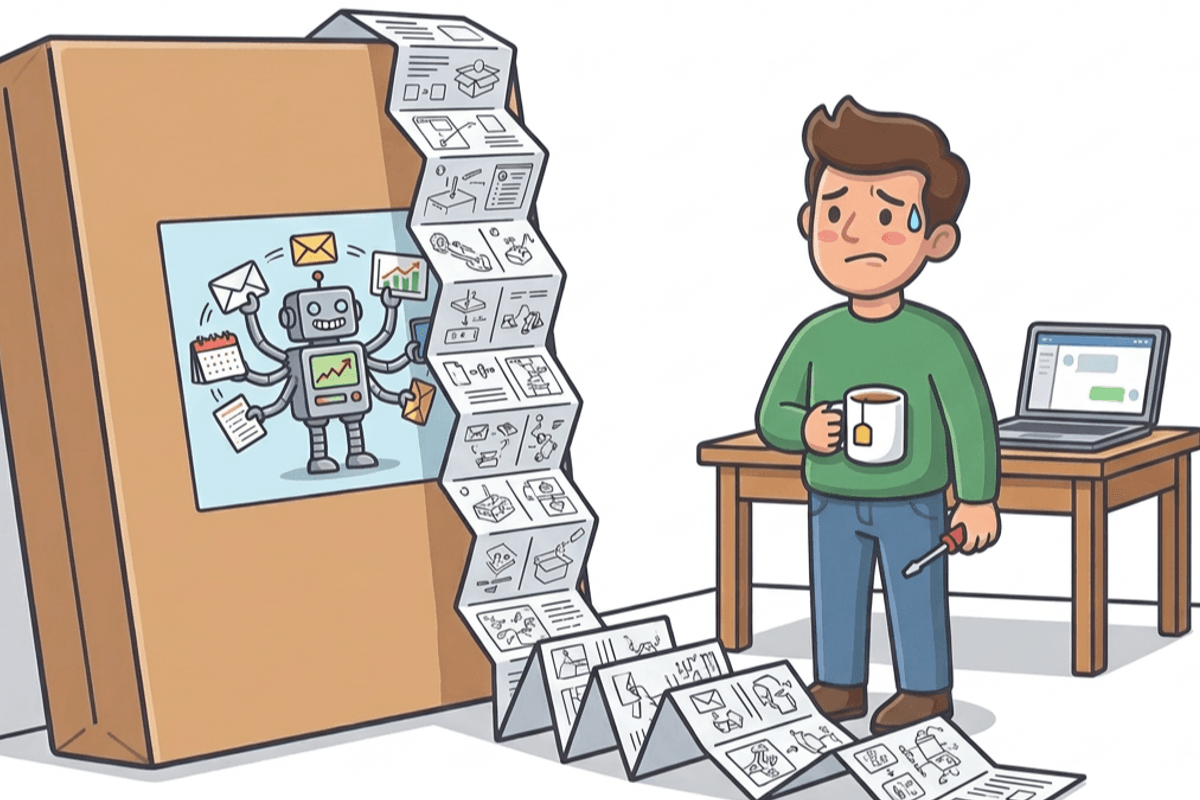
Then we get to how long it takes and what it costs. There’s a pause, and then some version of this. Thank you, this has really helped us see where to focus. It isn’t in the budget right now, so in the meantime, could you just train the team on AI? We were thinking a half-day.
It’s absolutely the right instinct, and we’ll happily run it. Training is cheaper than building, it leaves capability inside the building, and nobody ends up depending on a third party with laptops and opinions.
The catch is in what everyone assumes the training covers. Train a team on AI and you’re training them in what a person can do in a chat window, which is worth doing. The list they gave us in the diagnosis was mostly things that have to be built, and nobody gets there in a session or two.
What Training Gets You
Most people walking into our training rooms can already prompt. Plenty got there on their own, on evenings and weekends, because the business didn’t have a plan. Ask why and most say curiosity, though a fair few admit they were worried about their job. The output is often really good, and they’re happy with it.
A good session still earns its keep. It brings the stragglers up, closes the gap between desks, and leaves everyone with:
- A feel for giving the AI the right context, and what to leave out
- A sense of which tool suits which job, rather than one chat window for everything
- A job broken into separate steps with a check between each, rather than one conversation that researches, analyses and drafts in one go
- Regular tasks written down once, with an owner and one shared version, so nobody’s working from v2 FINAL final
- A habit of checking sources, dates and figures before anything goes out
- The ability to brief a build properly
That second one is harder than it looks. Plenty of teams have Copilot and nothing else, because that’s what the business has standardised on. It does some jobs well, and in my experience marketing isn’t one of them.
That’s worth having, and people get two or three times more done. We’ve trained over five hundred people, and I’ll happily train five hundred more. It all still happens one person at a time, though.
Where The Chat Runs Out
There’s a ceiling on all of that, and it’s good to know where it sits before you spend against it.
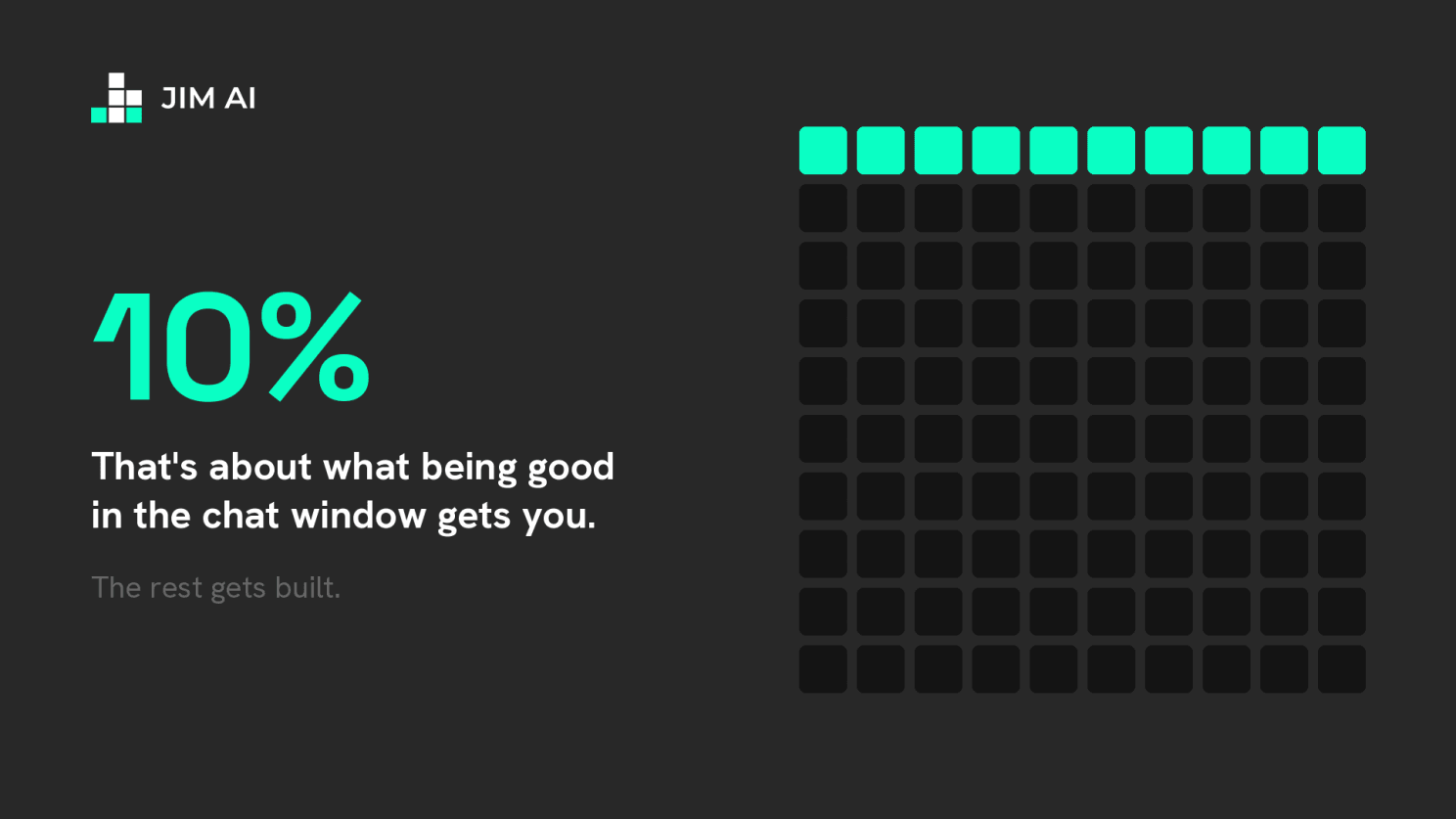
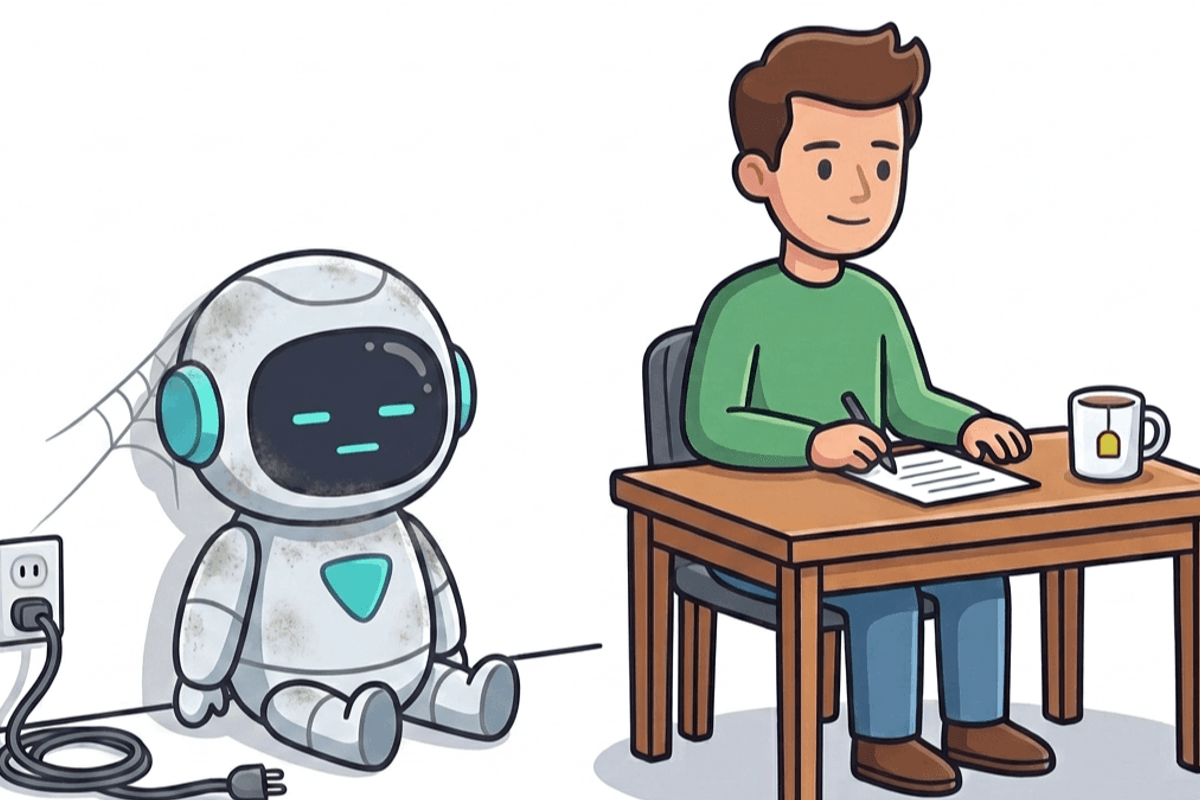
Everything still costs somebody’s hours. A chat is a very fast pair of hands, and it only works while a person is sitting in front of it. Nothing starts itself either. There are no triggers, and nothing runs overnight, writes back to the CRM, or happens while the team’s asleep.
Scale is where it shows up first. One agency we know runs its lists through ChatGPT twenty rows at a time, because that’s what a chat will hold, and somebody has to sit there for every batch. Checking is the other half of that bill, for the reasons below.
Then there’s governance. Client data ends up in personal accounts, and everyone’s version of the same task drifts apart, which is fine right up until somebody asks you to prove what happened.
What Your Team Actually Asked For
What comes out of the diagnosis is a list of tools and workflows, and it usually lands in the same few places. These are the big use cases we’re seeing, the ones that get you ten or twenty times:
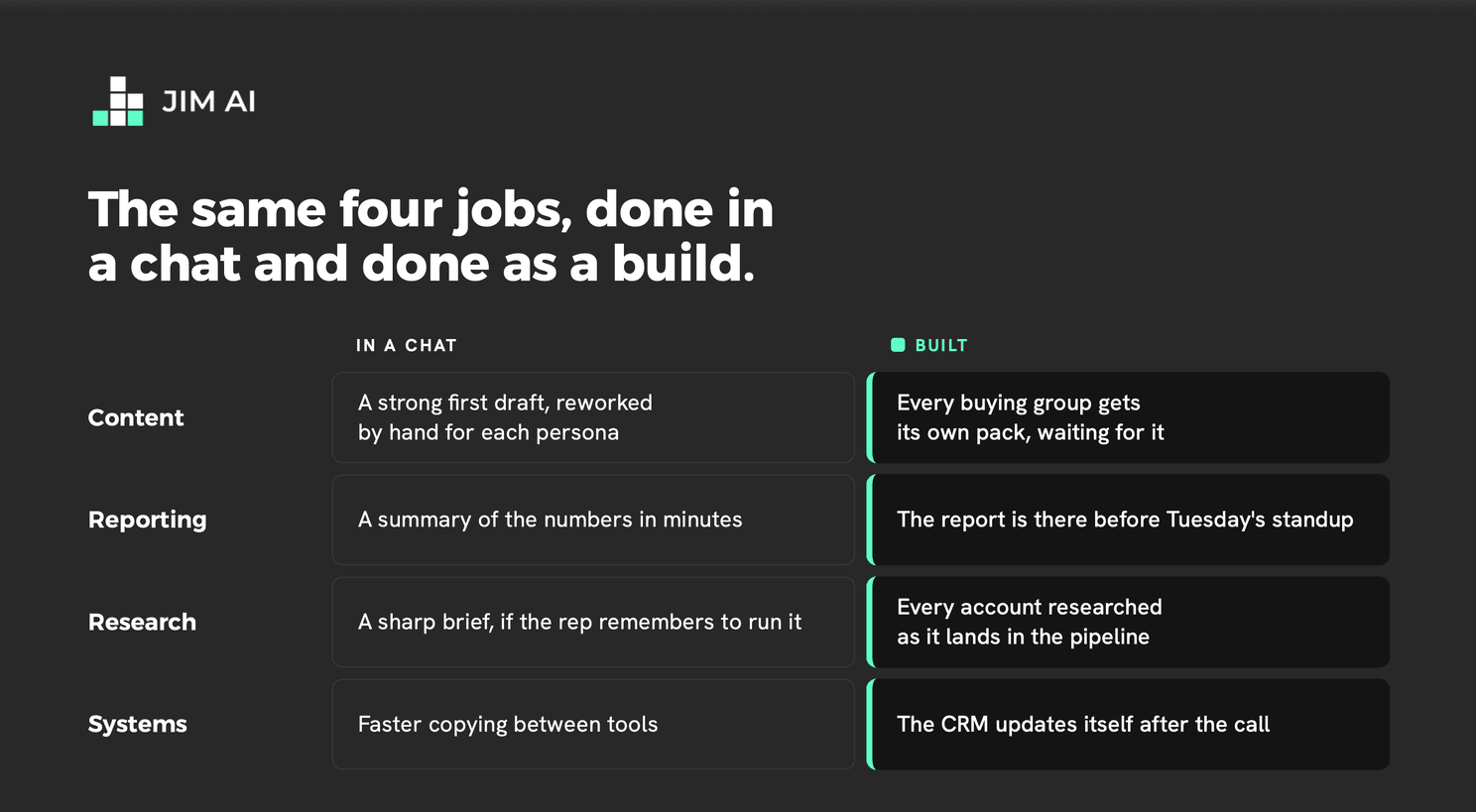
It’s the same work either way, with a very different outcome. Prompting makes each person faster. Building moves the ceiling from how many hours the team has to how much it wants to do, and that belongs to the whole function.
Why One Doesn’t Turn Into The Other
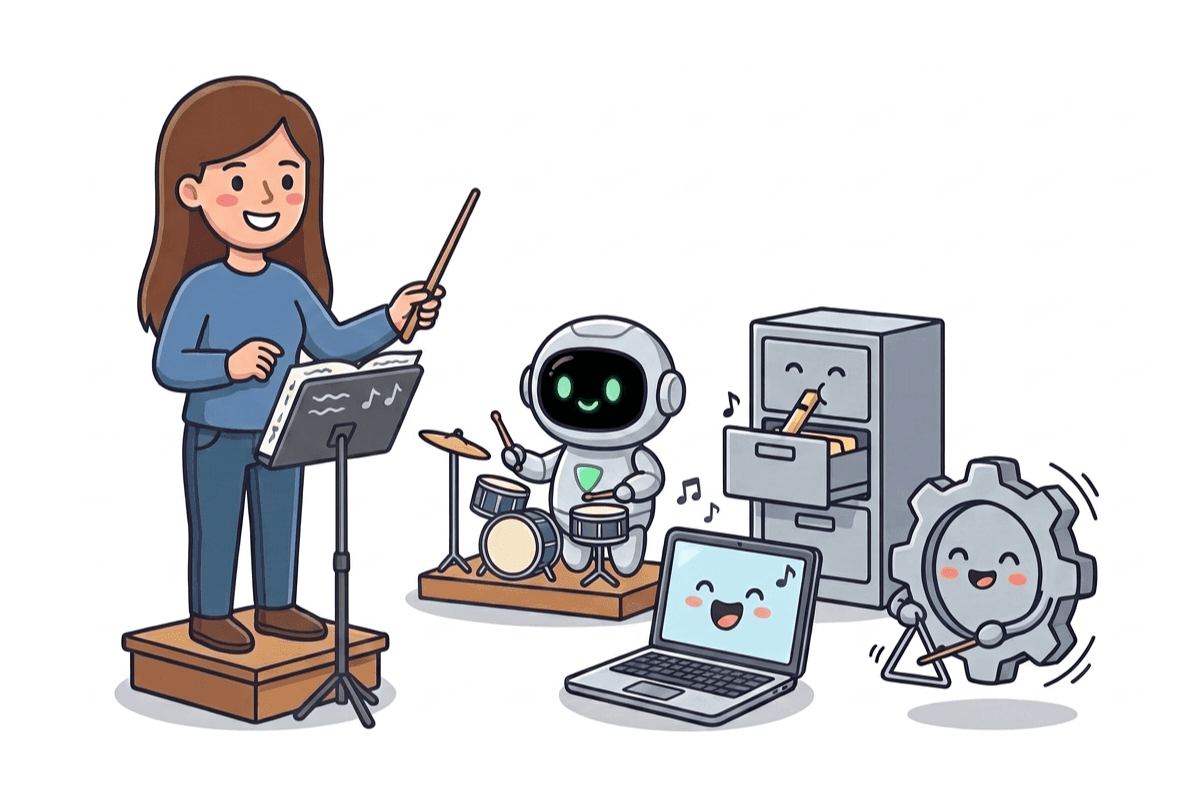
The reason the chat window feels easy is that you’re doing half the work without noticing. You’re sat in the loop holding the plan, breaking the job into pieces and going “no, not like that” whenever something comes back wrong. In the chat, you are the orchestration. Take the human out and the model has to get it right first time, on inputs nobody’s seen.
None of this means your team has to become builders. I can tell you what a cambelt is, and I wouldn’t for one second pretend I could replace one. My job is to notice when the engine sounds wrong and know who to ring, and that’s your team’s job too. Which would be a perfectly good plan, if AI ever made a noise.
It hardly ever does. Claude gives you eight hundred confident words, pretty much every time. Our first go at account research, years ago, came back full of statistics and quotes that were entirely invented. The failsafes are far better now, but things still get through, just more politely: a real document online that turned out to be AI-written and riddled with hallucinations of its own. On a call recently it told a team their list had been enriched to 95% accuracy, and that number was as invented as anything else in there. Nobody in the room knew which rows to check. People catch the obvious misses at a glance. The plausible ones need proper testing, which is most of what building is.
Where Your Team Comes In
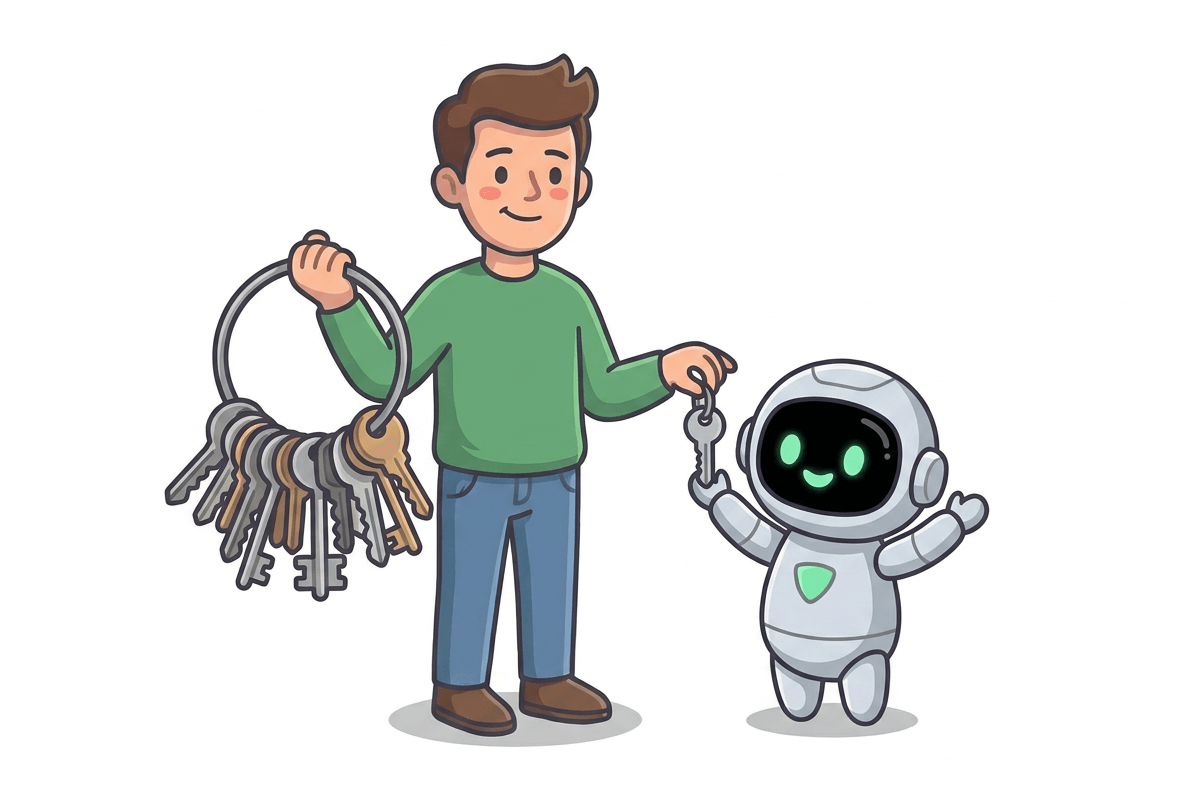
Somebody still has to tell the AI how the place actually works, and that has to be the people who know. It’s the one part of this you can’t buy in.
The programmes that have worked best nominate one or two people from every department to sit between the team and the builders. The consultancy world calls this a centre of excellence, which makes it sound like it comes with a lanyard. Look for them in the diagnosis: the tech-ambitious ones still asking awkward questions after the second coffee, because they’re the people who’ll lead it.
They give us the use cases worth building, the scenarios each one has to cope with, examples of what good looks like, and what goes in and what should come out. Then the part you can’t get from anywhere else: the exceptions, the headaches and the things that trip up a new starter in their first month. They know where the bodies are buried, and the build has to know too. We take all of that, build it to be robust and compliant by design, and test every step with them in the room.
So What Do You Ask For?
Ask for what your team asked for. Pick the workflow that matters most, build it properly with the people who identified it, in your accounts and written down so it stays yours, and bring anyone who needs it up to speed while you’re at it. Our smallest build costs about the same as a decent training programme, and once teams have something real to use, adoption follows: 60% to 100% at one agency, 40% to 100% across fifty workflows at another, with 120-plus leads to show for it.
When AI’s working properly, it looks effortless, because what you’re actually looking at is a business that’s been built around it. Most of what looks like AI savvy from the outside is just how the place runs.
If you want to know how to build this stuff, get in touch.